
CASE STUDY
Bendigo Bank Multi-Site Audit & Sustainable Refit
Founded in 2024 by commercial furniture industry expert Peter Appel, we operationalise the circular economy of businesses, government agencies, and public institutions through our end-to-end services which include auditing, repairing, reusing, remanufacturing, recycling, and sourcing of sustainable new products across the full spectrum of commercial projects.
Overview: Simplifying Circularity
The ultimate goal of each aspect of the LOOP process, and every project LOOP is engaged in, is to keep high value furniture circulating in the economy for as long as possible, simplifying circularity to the point that it becomes seamless and intuitive for all businesses.
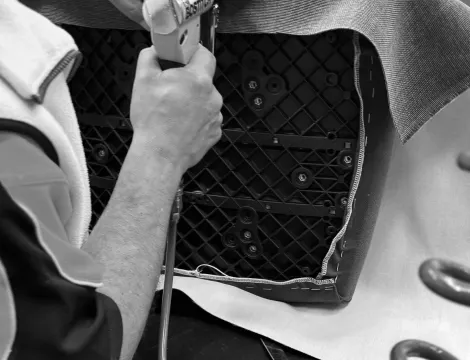
“We start by assessing what you already have, then find ways to reuse, repair, or repurpose products or the component parts to keep quality products in use and out of landfill,” Appel says.
“Every aspect of what we do, no matter the scale, is about minimising waste, reducing costs, and maximising environmental outcomes in tangible, demonstrable ways through our comprehensive reporting which clearly quantifies the positive impact that every decision makes,” Appel explains.
Aqui berferibus, velendent officiis et explabore doles maximin reius soluptatem aspidip saniendaecae nonseque id que dollorest.
Overview: Simplifying Circularity
The ultimate goal of each aspect of the LOOP process, and every project LOOP is engaged in, is to keep high value furniture circulating in the economy for as long as possible, simplifying circularity to the point that it becomes seamless and intuitive for all businesses.
“We start by assessing what you already have, then find ways to reuse, repair, or repurpose products or the component parts to keep quality products in use and out of landfill,” Appel says.
“Every aspect of what we do, no matter the scale, is about minimising waste, reducing costs, and maximising environmental outcomes in tangible, demonstrable ways through our comprehensive reporting which clearly quantifies the positive impact that every decision makes,” Appel explains.
Aqui berferibus, velendent officiis et explabore doles maximin reius soluptatem aspidip saniendaecae nonseque id que dollorest.

Sustainable outcomes require buy-in at every level. LOOP works closely with project teams to confirm.
Paul Rosenberg
Design Consultant
The Opportunity: Daring to be Different at Bendigo Bank
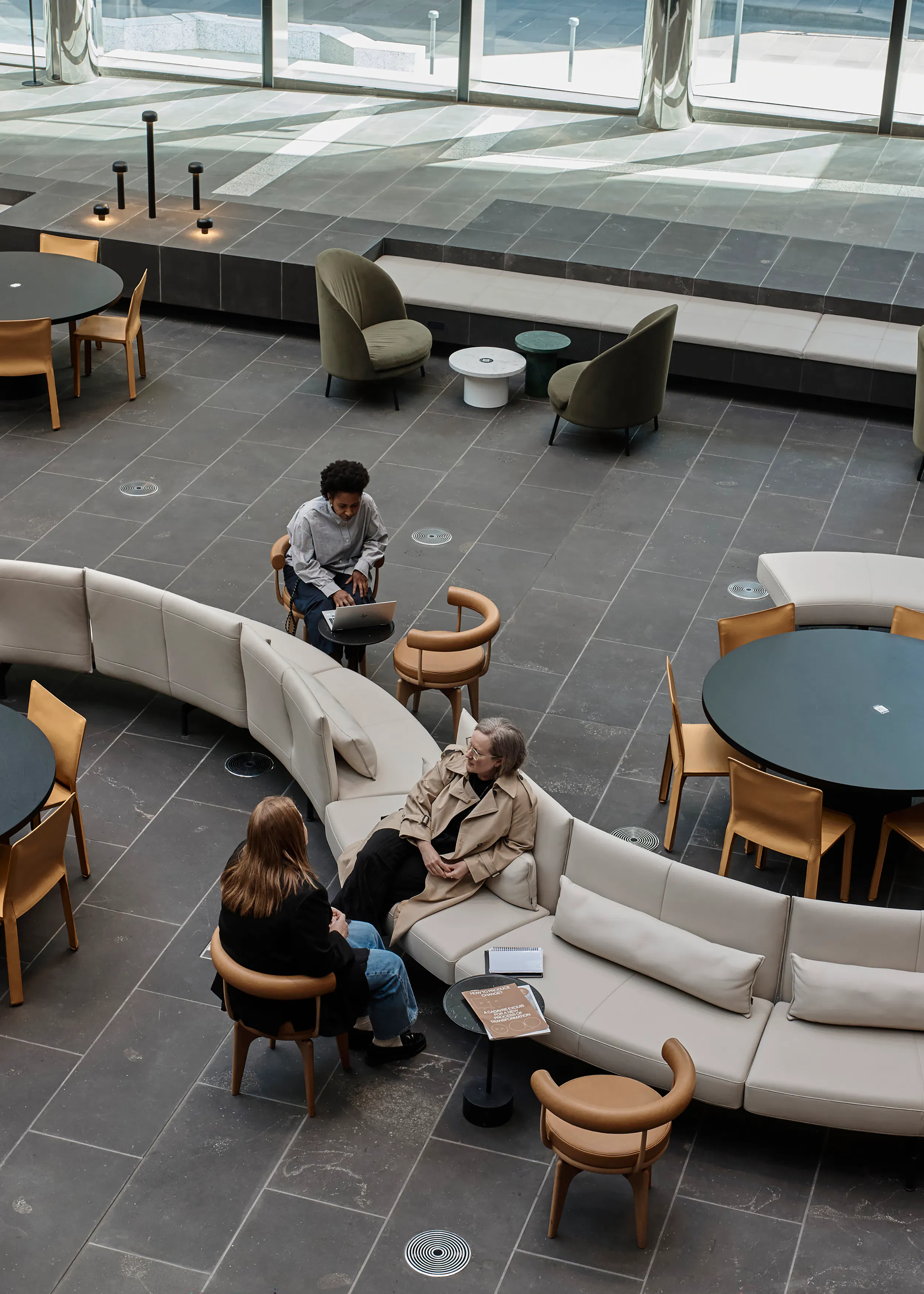
In collaboration with Hassell as the design lead and Renascent as the contractor, who brought Appel and the team at LOOP into the design and refit process at the beginning of a major multi-site refurbishment, Bendigo Bank had the opportunity to optimise circularity potential and embody their core values and ESG goals.
As outlined in their Sustainability Report, Bendigo Bank is committed to contributing to a sustainable and resilient future for all Australians through four key Sustainability Development Goals (SDGs): decent work and economic growth, reduced inequalities, sustainable cities and communities, and climate action.
“The team at Bendigo Bank was really engaged in giving back to the community for this project, because it ties to their values,” says Hassell associate Ashleigh White.
“Bendigo Bank was truly driven by sustainability and embodied it in every way,” adds Renascent design lead Natasha Ellis.
For White and Hassell architect Claire Buscombe, LOOP’s whole systems thinking approach is more than a buzzy talking point. It’s an antidote to the uncertainties that many end clients have with using recycled content.
“There can be so much room for error when using recycled products, so streamlining the Bendigo Bank project through LOOP meant we knew the output would be considered and consistent,” they comment.
“It is not always certain if new materials will be fit for purpose in ten years time, but LOOP, with Peter’s expert guidance enabled us to overcome any hesitancy and give the client certainty.
Overview: Simplifying Circularity
The ultimate goal of each aspect of the LOOP process, and every project LOOP is engaged in, is to keep high value furniture circulating in the economy for as long as possible, simplifying circularity to the point that it becomes seamless and intuitive for all businesses.
“We start by assessing what you already have, then find ways to reuse, repair, or repurpose products or the component parts to keep quality products in use and out of landfill,” Appel says.
“Every aspect of what we do, no matter the scale, is about minimising waste, reducing costs, and maximising environmental outcomes in tangible, demonstrable ways through our comprehensive reporting which clearly quantifies the positive impact that every decision makes,” Appel explains.
The ultimate goal of each aspect of the LOOP process, and every project LOOP is engaged in, is to keep high value furniture circulating in the economy for as long as possible, simplifying circularity to the point that it becomes seamless and intuitive for all businesses.
“We start by assessing what you already have, then find ways to reuse, repair, or repurpose products or the component parts to keep quality products in use and out of landfill,” Appel says.
“Every aspect of what we do, no matter the scale, is about minimising waste, reducing costs, and maximising environmental outcomes in tangible, demonstrable ways through our comprehensive reporting which clearly quantifies the positive impact that every decision makes,” Appel explains.
The ultimate goal of each aspect of the LOOP process, and every project LOOP is engaged in, is to keep high value furniture circulating in the economy for as long as possible, simplifying circularity to the point that it becomes seamless and intuitive for all businesses.
“We start by assessing what you already have, then find ways to reuse, repair, or repurpose products or the component parts to keep quality products in use and out of landfill,” Appel says.
“Every aspect of what we do, no matter the scale, is about minimising waste, reducing costs, and maximising environmental outcomes in tangible, demonstrable ways through our comprehensive reporting which clearly quantifies the positive impact that every decision makes,” Appel explains.
The ultimate goal of each aspect of the LOOP process, and every project LOOP is engaged in, is to keep high value furniture circulating in the economy for as long as possible, simplifying circularity to the point that it becomes seamless and intuitive for all businesses.
“We start by assessing what you already have, then find ways to reuse, repair, or repurpose products or the component parts to keep quality products in use and out of landfill,” Appel says.
“Every aspect of what we do, no matter the scale, is about minimising waste, reducing costs, and maximising environmental outcomes in tangible, demonstrable ways through our comprehensive reporting which clearly quantifies the positive impact that every decision makes,” Appel explains.
Aqui berferibus, velendent officiis et explabore doles maximin reius soluptatem aspidip saniendaecae nonseque id que dollorest.
The Outcome: Setting the Bar for Sustainable Commercial Refits
Through a full-circle process that began with meticulous auditing and culminated in facilitating innovative design and remanufacture solutions, the Bendigo Bank project sets the bar for what a sustainable commercial office refit project can be and achieve.
Old hoarding panels which would typically be destined for landfill became technology enabled workstation tops. Existing locker carcasses were transformed into custom design highly functional better than new lockers, also supporting fully integrated technology. New life was injected into preloved furniture, and hundreds of items of plastic salvaged from various product components were recycled into bespoke planters for growing indoor greenery.
“Every item was carefully considered and carried its own story,” says Ellis. “The result was beautiful and sustainable.”
What’s even more impressive is the all important achievement of the project’s carbon reduction goals. “Carbon was reduced 25 to 30 percent and the project hit the target that was set,” says White.
Net floor area
870sqm
Yearly carbon
570kg/person
Carbon reduction
309kg co2
Footprint company
Also equivalent to
4.5 years
Official tatus
Net floor area
870sqm
Yearly carbon
570kg/person
Carbon reduction
309kg co2
Footprint company
Also equivalent to
4.5 years
Official tatus
Overview: Simplifying Circularity
The ultimate goal of each aspect of the LOOP process, and every project LOOP is engaged in, is to keep high value furniture circulating in the economy for as long as possible, simplifying circularity to the point that it becomes seamless and intuitive for all businesses.
“We start by assessing what you already have, then find ways to reuse, repair, or repurpose products or the component parts to keep quality products in use and out of landfill,” Appel says.
“Every aspect of what we do, no matter the scale, is about minimising waste, reducing costs, and maximising environmental outcomes in tangible, demonstrable ways through our comprehensive reporting which clearly quantifies the positive impact that every decision makes,” Appel explains.
Aqui berferibus, velendent officiis et explabore doles maximin reius soluptatem aspidip saniendaecae nonseque id que dollorest.
Overview: Simplifying Circularity
The ultimate goal of each aspect of the LOOP process, and every project LOOP is engaged in, is to keep high value furniture circulating in the economy for as long as possible, simplifying circularity to the point that it becomes seamless and intuitive for all businesses.
“We start by assessing what you already have, then find ways to reuse, repair, or repurpose products or the component parts to keep quality products in use and out of landfill,” Appel says.
“Every aspect of what we do, no matter the scale, is about minimising waste, reducing costs, and maximising environmental outcomes in tangible, demonstrable ways through our comprehensive reporting which clearly quantifies the positive impact that every decision makes,” Appel explains.
The ultimate goal of each aspect of the LOOP process, and every project LOOP is engaged in, is to keep high value furniture circulating in the economy for as long as possible, simplifying circularity to the point that it becomes seamless and intuitive for all businesses.
“We start by assessing what you already have, then find ways to reuse, repair, or repurpose products or the component parts to keep quality products in use and out of landfill,” Appel says.
“Every aspect of what we do, no matter the scale, is about minimising waste, reducing costs, and maximising environmental outcomes in tangible, demonstrable ways through our comprehensive reporting which clearly quantifies the positive impact that every decision makes,” Appel explains.
The ultimate goal of each aspect of the LOOP process, and every project LOOP is engaged in, is to keep high value furniture circulating in the economy for as long as possible, simplifying circularity to the point that it becomes seamless and intuitive for all businesses.
“We start by assessing what you already have, then find ways to reuse, repair, or repurpose products or the component parts to keep quality products in use and out of landfill,” Appel says.
“Every aspect of what we do, no matter the scale, is about minimising waste, reducing costs, and maximising environmental outcomes in tangible, demonstrable ways through our comprehensive reporting which clearly quantifies the positive impact that every decision makes,” Appel explains.
Aqui berferibus, velendent officiis et explabore doles maximin reius soluptatem aspidip saniendaecae nonseque id que dollorest.
sfsf
The ultimate goal of each aspect of the LOOP process, and every project LOOP is engaged in, is The ultimate goal of each aspect of the LOOP process, and every project LOOP is engaged in, is to keep high value furniture circulating in the economy for as long as possible, simplifying circularity to the point that it becomes seamless and intuitive for all businesses.
“We start by assessing what you already have, then find ways to reuse, repair, or repurpose products or the component parts to keep quality products in use and out of landfill,” Appel says.
“Every aspect of what we do, no matter the scale, is about minimising waste, reducing costs, and maximising environmental outcomes in tangible, demonstrable ways through our comprehensive reporting which clearly quantifies the positive impact that every decision makes,” Appel explains.
ffrererere ahfuar arhaur auhrr aruaur
“Every aspect of what we do, no matter the scale, is about minimising waste, reducing costs, and maximising environmental outcomes in tangible, demonstrable ways through our comprehensive reporting which clearly quantifies the positive impact that every decision makes,” Appel explains.We start by assessing what you already have, then find ways to reuse, repair, or repurpose products or the component parts to keep quality products in use and out of landfill,” Appel says.
“Every aspect of what we do, no matter the scale, is about minimising waste, reducing costs, and maximising environmental outcomes in tangible, demonstrable ways through our comprehensive reporting which clearly quantifies the positive impact that every decision makes,” Appel explains.We start by assessing what you already have, then find ways to reuse, repair, or repurpose products or the component parts to keep quality products in use and out of landfill,” Appel says.
hbhbhb h bhbhnjn hbh